One model covers both charging paths. Scroll down for what the dual input changes, the full specification and the FAQ.
Quick answer: a dual-input charger accepts AC mains and a DC source through the same unit. On an 80 V platform that means the vehicle can charge from a wall socket at 6.6 kW, or from a DC supply at the depot, without carrying a second charger. The cost is a heavier input stage and a controller that has to arbitrate between two sources — both of which show up in the bill of materials, not on the datasheet.
Most 80 V vehicles charge from AC. The reason to add a DC path is rarely convenience — it is that the vehicle cannot get enough AC power where it parks, or that the fleet already has a DC bus at the depot and does not want to run AC circuits to every bay.
Three situations justify the extra input stage:
What it does not buy is speed. The 6.6 kW figure is the charger's rating, not the source's. If the DC supply at the depot delivers 10 kW, the charger still draws what it needs; if the AC socket is a 13 A circuit, the charger runs at whatever that circuit sustains. Sizing the pack against a rated figure that the site cannot deliver is the most common planning error in this segment.
A dual-input charger is not two chargers in one box. It is one power stage with two front ends, and the controller decides which front end is live. Three behaviours matter when you integrate it:
Two figures need reading carefully. The DC input is 400 V, which is not the pack voltage — the charger converts it down to the 0–105 V charging window, so the depot supply has to be a 400 V DC bus, not a 80 V one. And ≥92% efficiency is the maximum, at rated load and nominal input; expect lower at part load and at the extremes of the temperature range.
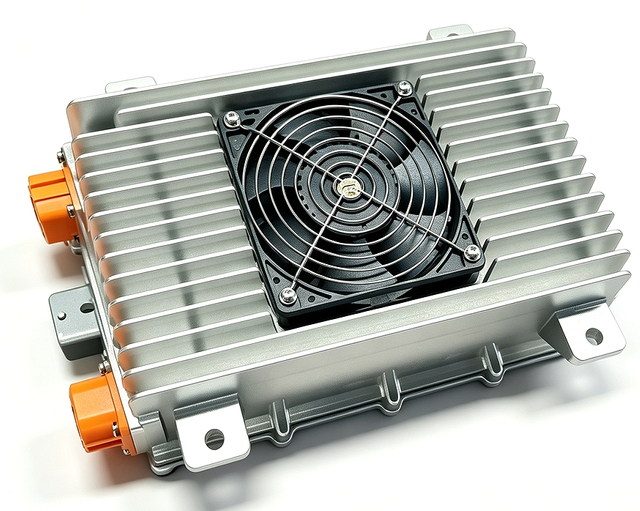
The module is offered with air or liquid cooling, and the choice is not a preference. It follows from where the unit sits:
Note the derating behaviour: above 75 °C heatsink temperature the charger reduces output automatically, and charging resumes once it cools. That is protection working as designed — but on a duty cycle that sits near the limit it reads to the customer as a charger that "sometimes charges slowly". Size the cooling for the worst ambient of the year, not the average.
Not defined by vehicle type. Three conditions decide it:
If every bay the vehicle will ever use has AC, a standard AC-only charger is smaller, lighter and cheaper. Dual input earns its place when the vehicle genuinely moves between two supply environments — not when it might, one day.
Common programmes
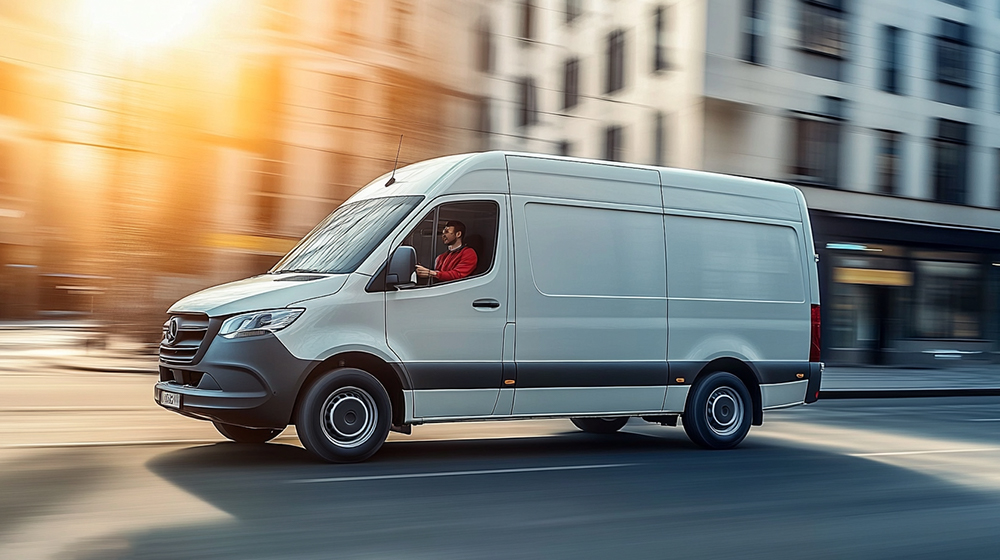
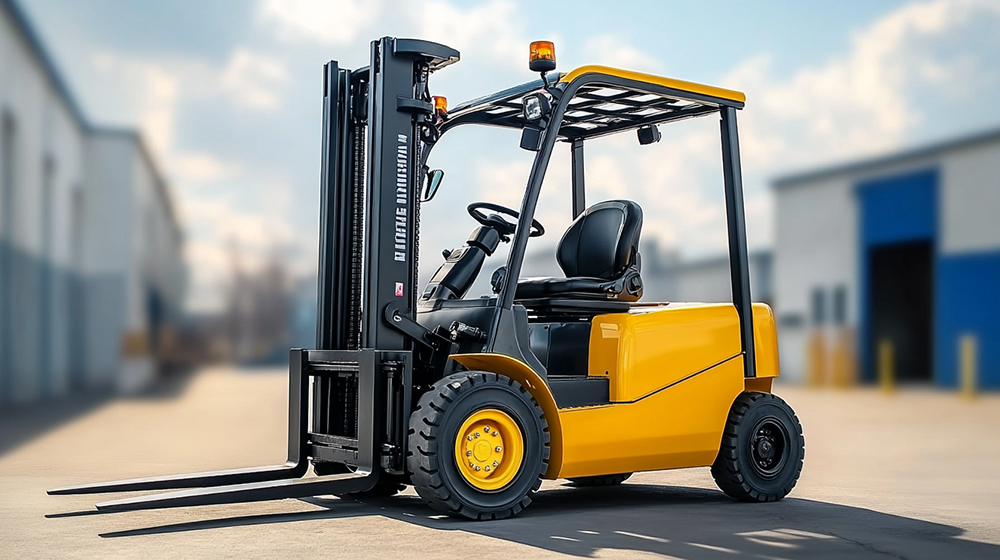
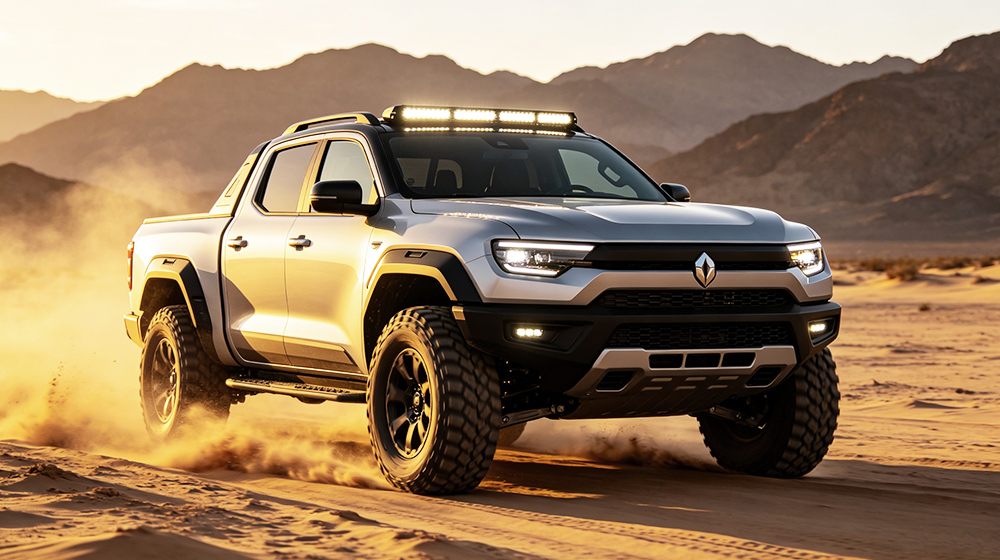
Also in series: electric logistics vehicles · low-speed commercial EVs · specialty electric vehicles — and vehicles not listed here.
Send the supply you actually have at each site — AC, DC, or both — and we will say whether dual input is the right answer, or whether an AC-only unit plus a fixed depot charger is the cheaper route.
It detects the live source and selects the path, but the two inputs are mutually exclusive and it does not change over mid-charge. If the vehicle needs automatic failover between sources, that behaviour has to be specified — it is a programme requirement, not a default.
Yes — that is the point of the DC input. The 400 V DC is the supply side; the charger regulates it down to the 0–105 V window the 80 V pack needs. The DC supply at the depot must be a 400 V bus, not a pack-level voltage.
It is the charger's rating. What the vehicle actually receives is the lower of that rating and what the source can deliver. On a 13 A AC circuit the AC path will not reach 6.6 kW; on a DC bus rated below the charger, the DC path is equally limited.
Both are available, and the choice is fixed per order because the two variants are different part numbers with different mounting. Decide from the bay and the ambient temperature, not from the power requirement alone.
Yes. The software is built on an AUTOSAR architecture with CAN 2.0, UDS diagnostics, BootLoader and UDS program refresh. Ask for the DBC and the diagnostic identifier list at RFQ so the vehicle integration can be scoped properly.
Tell us the supply at each site the vehicle will use — AC only at all of them, DC at some, or both — plus the pack voltage and the charging power you need. We will tell you whether one model covers it, or whether a single-input unit is the better buy.