


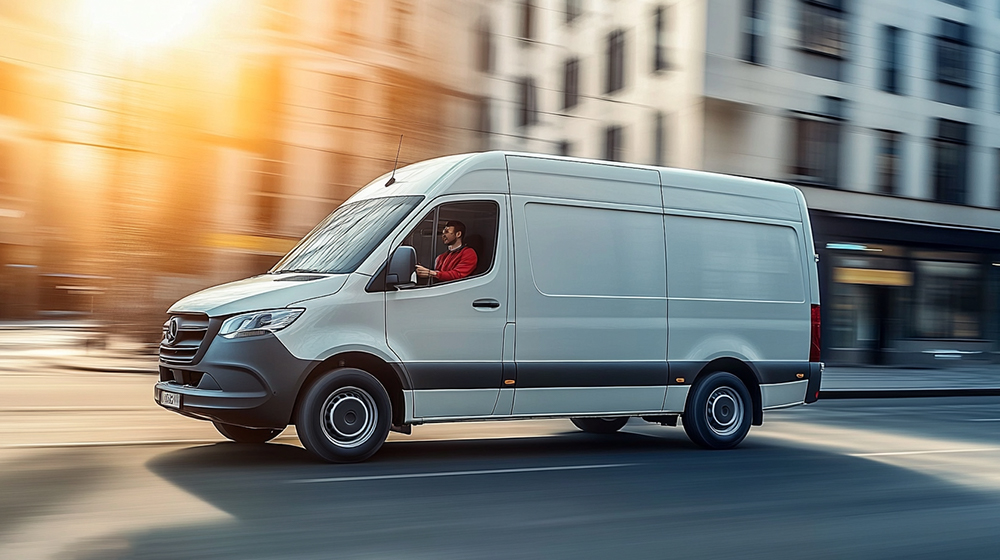
The constraint that decides the spec: turnaround, not pack size. A delivery vehicle returns, charges and leaves again within a few hours, and the depot supply is shared across the whole fleet. Whether the answer is 6.6 kW or a staggered schedule depends on how many hours the vehicle actually has between shifts — not on how large the battery is.
What we recommend: integrated units, because the auxiliary load on these vehicles is real (refrigeration, lift gates, telematics) and the chassis has no spare volume for three housings.
| Model | OBC | DC/DC | PDU | Voltage | Cooling |
|---|---|---|---|---|---|
| ODP-CD-6G1F | 6.6 kW | 1.5 kW | — | 72 / 96 / 320 V | Air |
| ODP-CF-6G2F | 6.6 kW | 2.5 kW (3 kW peak) | Yes | 72 / 96 / 320 V | Liquid |
| PD-BH-AA-300J | — | 10 kW | — | 200–750 V DC | — |
Model numbers link to the full product page.
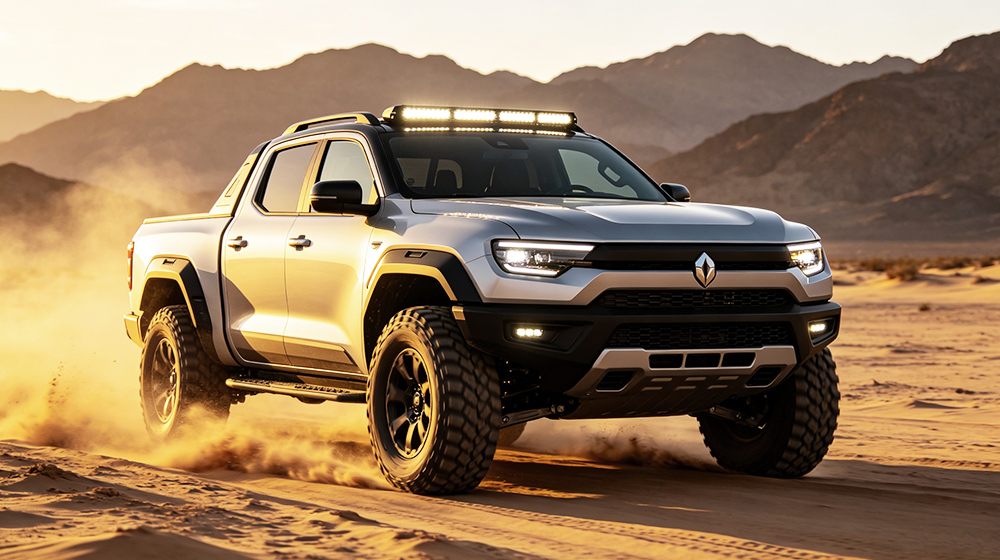
The constraint that decides the spec: mounting position and sealing, before power electronics. A module on an exposed frame rail behind the rear wheel will fail from wash-down no matter how good its rating is. In this segment, geometry accounts for more field failures than any electrical parameter.
What we recommend: sealed units with the connector face oriented away from spray, and liquid cooling where air cooling would otherwise force an opening in the housing.
| Model | OBC | DC/DC | Voltage | Cooling | Note |
|---|---|---|---|---|---|
| OD-CE-3D1A | 3 kW | 1 kW | 72 / 96 / 320 V | Air | CE-marked configurations available |
| OD-CD-6G1F | 6.6 kW | 1.5 kW | 72 / 96 / 320 V | Air | Larger UTV packs |
| PD-BI-1A | — | 1 kW | 48 / 72 / 96 V | Natural | Auxiliary rail only |
| OD-CN-BA3A | 11 kW | 3 kW | 360 V | Liquid | Fully sealed, high duty |
Model numbers link to the full product page.
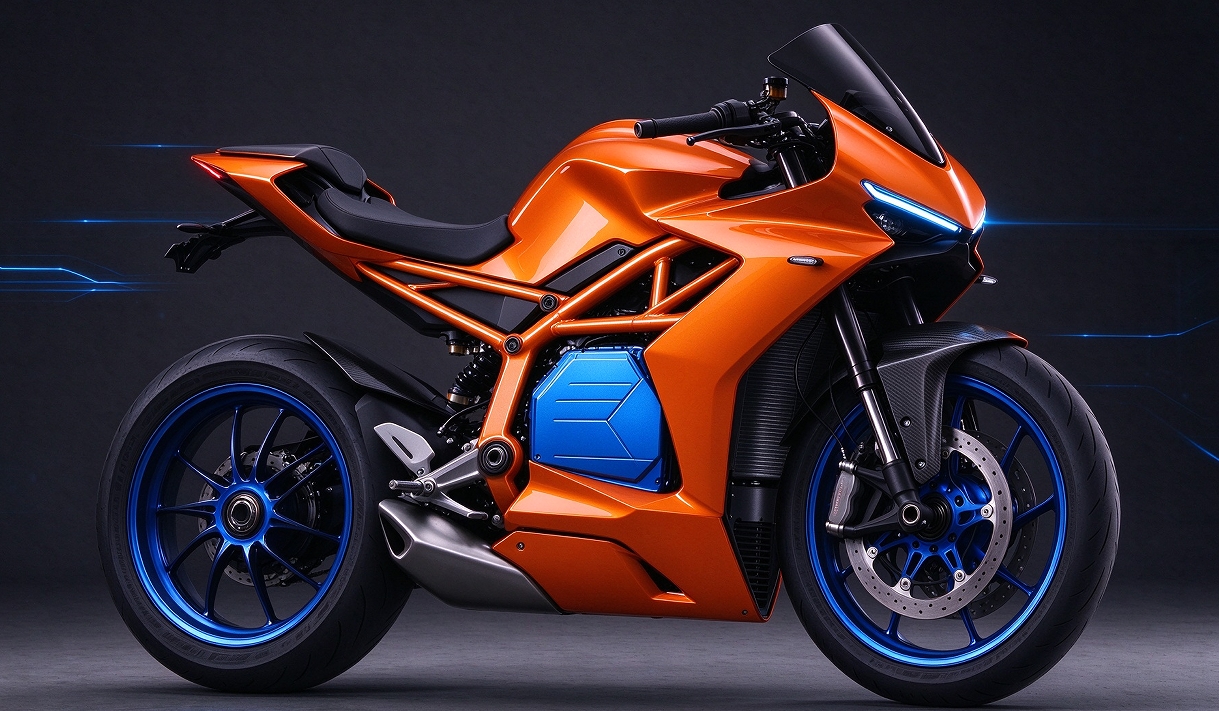
The constraint that decides the spec: does the charger travel with the vehicle, or stay on it? That single question separates two product families and determines connectors, housing, cooling and how the CAN wiring is run. Treating a portable unit like an on-board one is the most common specification error in this segment.
What we recommend: a portable unit where riders charge from a wall socket away from the vehicle; a fixed on-board 2-in-1 where the fleet cannot afford a detachable unit to be lost or stolen.
| Model | Type | Power | Voltage | Best for |
|---|---|---|---|---|
| PC-BB-1A-72 | Portable | 1 kW | 72 V | Entry level, small pack |
| PC-BB-1K-72 | Portable | 1.9 kW | 72 V | Faster charging, same format |
| OD-CE-3D1A | On-board 2-in-1 | 3 kW + 1 kW | 72 / 96 / 320 V | Fixed install, fleet use |
| OD-CC-3D1F | On-board 2-in-1 | 3.3 kW + 1.5 kW | 96 / 320 V | Cargo 3W, heavy aux load |
Model numbers link to the full product page.
The constraint that decides the spec: how expensive is one downtime day, and what can your nearest service point actually replace? A three-in-one unit is not automatically the better answer. It is the right answer when the bay has no room for three housings and the service chain can swap a whole module rather than repair a board.
What we recommend: 3-in-1 where space and harness count dominate; standalone or a half-integrated build where the vehicle must keep running after a single fault.
| Model | OBC | DC/DC | PDU | Voltage | Cooling |
|---|---|---|---|---|---|
| ODP-CE-3D1A | 3.3 kW | 1 kW | Yes | 72 / 96 / 320 V | Air |
| ODP-CF-6G2F | 6.6 kW | 2.5 kW + 6 kVA inverter | Yes | 72 / 96 / 320 V | Liquid |
| PO-AA-3D | 3.3 kW | — | — | 72 / 96 / 320 V | — |
| PO-AB-6G | 6.6 kW | — | — | 96 / 320 V | — |
Model numbers link to the full product page.
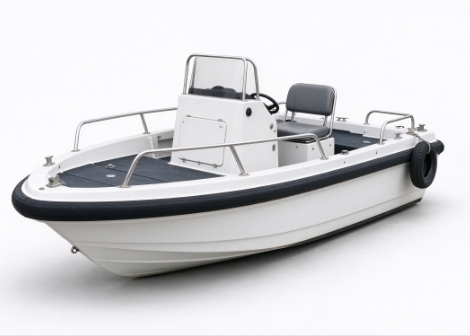
The constraint that decides the spec: quiet operation and unattended charging. A charger under a bed with a fan running at night is a product failure regardless of its electrical performance, and a boat charging for ten hours with nobody aboard needs protection behaviour that works without an operator.
What we recommend: liquid-cooled units where the radiator can be placed away from sleeping areas, and bidirectional units where AC output from the vehicle replaces a generator.
| Model | Power | Voltage | Cooling | Why for RV / marine |
|---|---|---|---|---|
| OD-CE-3D1A | 3 kW + 1 kW | 72 / 96 / 320 V | Air | Compact, sealed, quiet |
| ODP-CF-6G2F | 6.6 kW + 2.5 kW + 6 kVA | 72 / 96 / 320 V | Liquid | AC output for appliances |
| OD-CN-BA3A | 11 kW + 3 kW | 360 V | Liquid | V2L, radiator placed away from living area |
Model numbers link to the full product page.

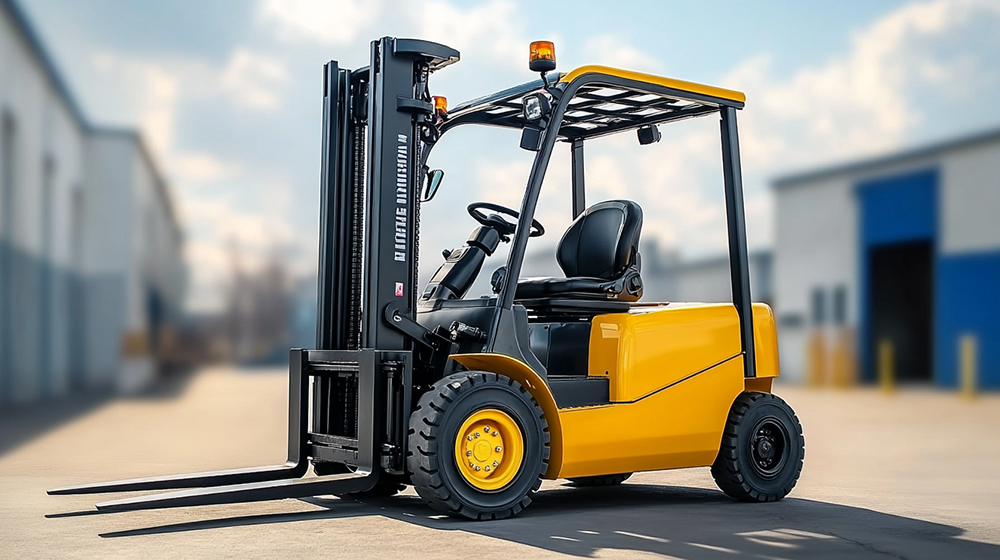
The constraint that decides the spec: the charge window, not the pack size. A forklift may run 16 to 24 hours a day and charge only during operator breaks. A charger sized for a car's overnight cycle is the wrong tool here.
Lithium packs make opportunity charging practical, so the vehicle can charge wherever an AC outlet exists. And an AGV that charges itself cannot rely on a human plugging it in, which makes on-board charging triggered at a docking point the natural fit.
What we recommend: an integrated OBC + DC/DC unit, because an AGV or compact counterbalance truck needs the auxiliary rail (12 V or 24 V for controllers and sensors) derived from the same housing. Charging must be CAN-enabled so the vehicle controller can start and monitor it without an operator.
| Model | OBC | DC/DC | Voltage | Fits |
|---|---|---|---|---|
| OD-CA-1F0G-48Y | 1.5 kW | 500 W | 48 V | Compact AGV, small tow tractor |
| OD-CH-1F0F-72Y | 1.5 kW | 500 W | 72 V | AGV, light industrial platform |
| OD-CE-3D1A | 3 kW | 1 kW | 72 / 96 / 320 V | Counterbalance truck, CE-marked build |
| OD-CD-6G1F | 6.6 kW | 1.5 kW | 72 / 96 / 320 V | Large platform, short break window |
Model numbers link to the full product page.

The constraint that decides the spec: a fixed turnaround window with no slack. Baggage tractors, pushback tugs, belt loaders and catering trucks turn around between flights, and the aircraft does not wait for the charger. The pack has to be refilled inside the break, not by morning.
Two environment factors pile on top: apron equipment vibrates continuously, and it works in summer sun and winter cold with washdown and de-icing fluid on the ground.
What we recommend: 6.6 kW on 96 V to 320 V platforms for single-shift GSE that can charge in a long apron break; 11 kW bidirectional on a 360 V platform where the depot wants faster turnaround or V2G/V2L capability.
| Model | OBC | DC/DC | Voltage | Note |
|---|---|---|---|---|
| OD-CD-6G1F | 6.6 kW | 1.5 kW | 72 / 96 / 320 V | Single-shift GSE |
| OD-CF-6G3A | 6.6 kW | 3 kW | 360 / 540 V | High-voltage apron equipment |
| OD-CN-BA3A | 11 kW | 3 kW | 360 V | Fast turnaround, V2G / V2L |
| ODP-CF-6G2F | 6.6 kW | 2.5 kW (3 kW peak) | 72 / 96 / 320 V | Charging, aux rail and distribution in one |
Model numbers link to the full product page.

The constraint that decides the spec: the auxiliary load, not the traction pack. A sweeper drives a brush motor, a suction fan, a water pump and a spray system continuously for the whole route. The low-voltage rail is doing heavy work while the vehicle moves slowly.
So the DC/DC stage is usually specified first and the charger second. Sizing the charger from the traction pack alone is how sweepers end up with an auxiliary rail that browns out.
What we recommend: a 2-in-1 or 3-in-1 with a heavy auxiliary rail. Where the vehicle also distributes high voltage to the sweeper body, the PDU-integrated unit removes a separate box and its harness runs.
| Model | OBC | DC/DC | Voltage | Fits |
|---|---|---|---|---|
| OD-CC-3D1F | 3.3 kW | 1.5 kW | 96 / 320 V | Mid-size sweeper, heavy aux |
| ODP-CF-6G2F | 6.6 kW | 2.5 kW (3 kW peak) + PDU | 72 / 96 / 320 V | Full-size sweeper with body distribution |
| OD-CD-6G1F | 6.6 kW | 1.5 kW | 72 / 96 / 320 V | Sweeper, separate PDU kept |
| PD-BI-1A | — | 1 kW | 48 / 72 / 96 V | Aux rail only, charging already solved |
Model numbers link to the full product page.

The constraint that decides the spec: a retrofit has no native charging system. Most diesel-to-electric conversions spend weeks on the motor, gearbox, pack and frame, and ten minutes on the charger at the end. Then someone asks how it charges.
Two things break: there is no OEM charging harness, so the unit has to be specified as a standalone system; and the AC supply is a farm workshop socket, not a clean grid, so input range has to survive that rather than assume it.
What we recommend: a standalone on-board charger with a wide 90–264 Vac input, sized to the pack the conversion actually carries. Where the tractor also needs a low-voltage rail for controls and hydraulics, a 2-in-1 is worth the integration.
| Model | OBC | DC/DC | Voltage | Fits |
|---|---|---|---|---|
| PO-AA-3D | 3.3 kW | — | 72 / 96 / 320 V | Compact retrofit, overnight charge |
| PO-AB-6G | 6.6 kW | — | 96 / 320 V | Larger pack, shorter window |
| OD-CD-6G1F | 6.6 kW | 1.5 kW | 72 / 96 / 320 V | Conversion needing aux rail |
| PO-AC-6G-80 | 6.6 kW dual-input | — | 80 V class | Where DC charging is also available |
Model numbers link to the full product page.
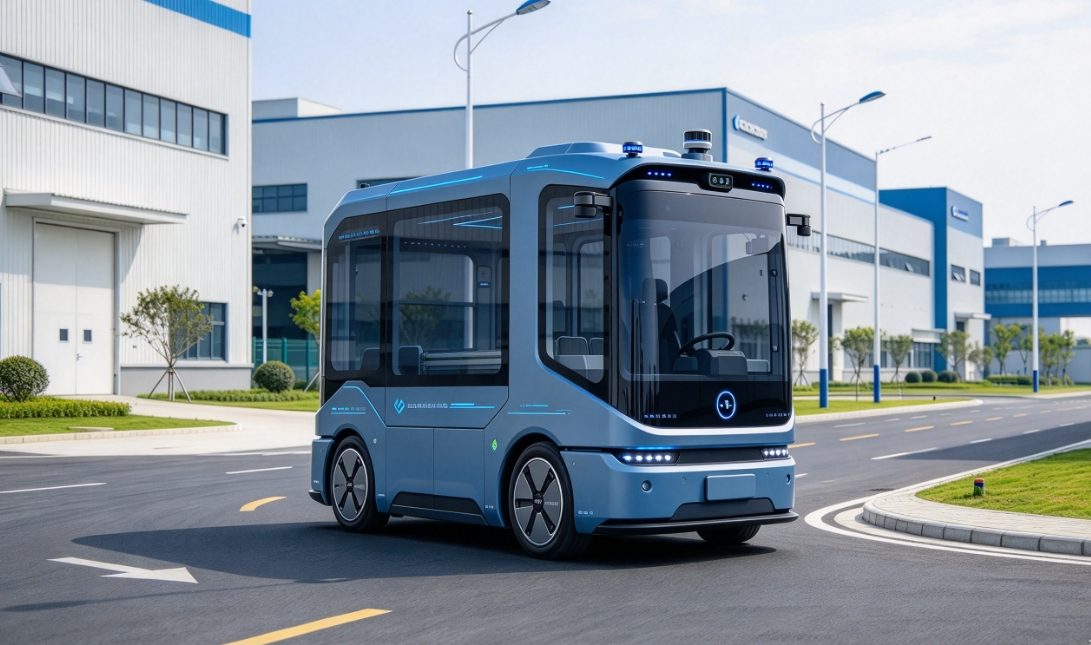
The constraint that decides the spec: nobody is there to plug it in. An autonomous delivery vehicle has to return to its dock, confirm the connection, start charging and resume its route. That makes charging a function of the vehicle's autonomy, not a separate task.
Three requirements follow: charging has to be enabled and monitored over CAN, the module has to be small and sealed, and the auxiliary rail is not optional.
What we recommend: a compact 48 V or 72 V 2-in-1. The charge power is modest because the pack is modest, and the auxiliary rail matters more than the charging speed. In this segment we actively talk customers out of large chargers — the pack cannot absorb the current and the thermal problem appears in the second year.
Tell us four numbers — battery voltage range, charging power target, auxiliary load in watts, and the space you can give the module — and we will recommend an architecture rather than a catalogue page. If a separate-unit build is the better answer for your service model, we will say so.
Tell us four numbers — battery voltage range, charging power target, auxiliary load in watts, and the space you can give the module — and we will recommend an architecture rather than a catalogue page. If a separate-unit build is the better answer for your service model, we will say so.
| Model | OBC | DC/DC | Voltage | Fits |
|---|---|---|---|---|
| OD-CA-1F0G-48Y | 1.5 kW | 500 W | 48 V | Small robot, dense dock cycle |
| OD-CH-1F0F-72Y | 1.5 kW | 500 W | 72 V | Mid-size unmanned vehicle |
| OD-CA-2A1A | 2 kW | 1 kW | 72 / 96 / 320 V | Larger payload, sensor-heavy |
| OD-CE-3D1A | 3 kW | 1 kW | 72 / 96 / 320 V | Where dock time is the binding limit |
Model numbers link to the full product page.
The constraint that decides the spec: replace this paragraph with what actually limits the design in this application.
What we recommend: replace this with the model family and the reason.
| Model | OBC | DC/DC | Voltage |
|---|---|---|---|
| — | — | — | — |
The constraint that decides the spec: replace this paragraph with what actually limits the design in this application.
What we recommend: replace this with the model family and the reason.
| Model | OBC | DC/DC | Voltage |
|---|---|---|---|
| — | — | — | — |

