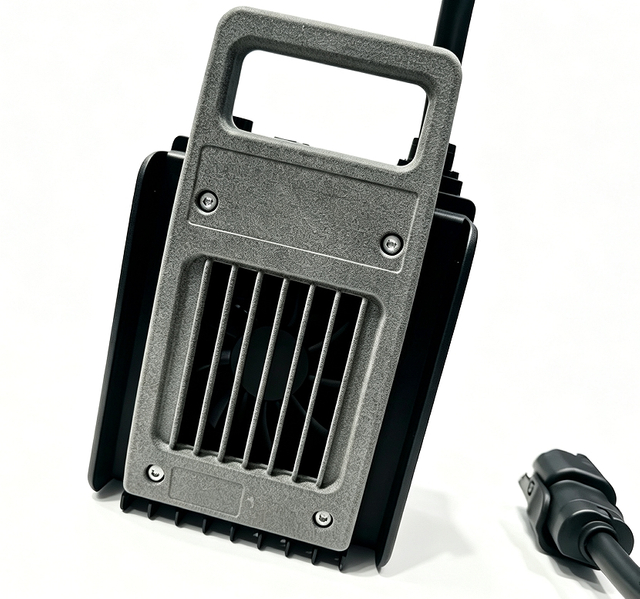
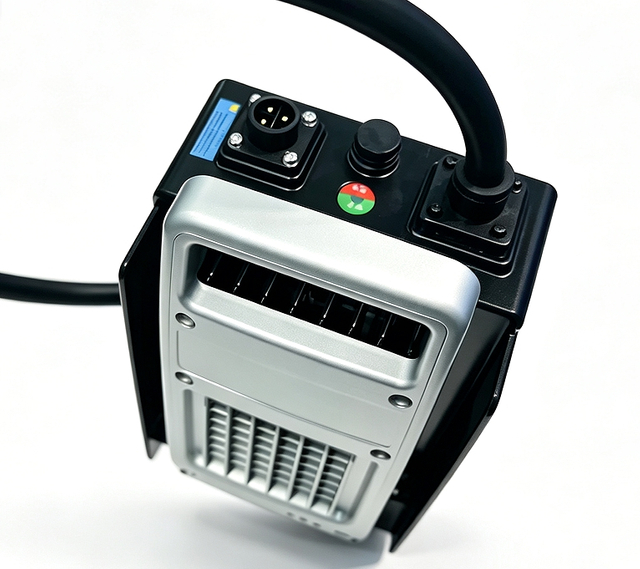
Same housing, two power levels. Both can be carried or bolted to the vehicle — the decision is which one your riders actually need.
Quick answer: these are chargers that live with the rider rather than on the vehicle. A two-wheeler parks where there is no charging point, so the charger travels to the socket instead. The dual-use design means the same unit can also be bolted on and left there — which is why fleets and private riders often choose the same product for opposite reasons.
The two modes solve different problems, and the same housing serves both:
The trade-off is honest and worth stating: a portable unit is exposed. It gets dropped, left in the rain, or taken. A mounted unit cannot be lost but cannot be carried to a socket either. Fleets often decide this one way for the depot bikes and the other way for sub-contracted riders, in the same order.
Both take 85–264 Vac, which matters more here than on a fixed charger: the whole point is plugging into whatever socket the rider finds, and that includes 110 V supplies and long extension runs. The wide input window means the unit runs rather than refusing, though power drops with voltage.
The difference is charge time, and it only matters if the rider has a fixed window:
A 1.9 kW unit will not deliver 1.9 kW from a domestic socket on a shared circuit, so the faster option only pays off where the supply can support it. Ask what the riders will actually plug into before recommending the larger unit — the answer is often a 13 A socket, and then both units charge at similar rates.
IP67 is the right rating for this application, but it is not the whole story. A portable charger spends its life being handled, which introduces failure modes that a fixed unit never sees:
Not defined by vehicle type. Three conditions favour the dual-use design:
On a vehicle with a fixed bay and a depot charger, an on-board unit is smaller and cheaper. The dual-use design earns its place where the charger has to move.
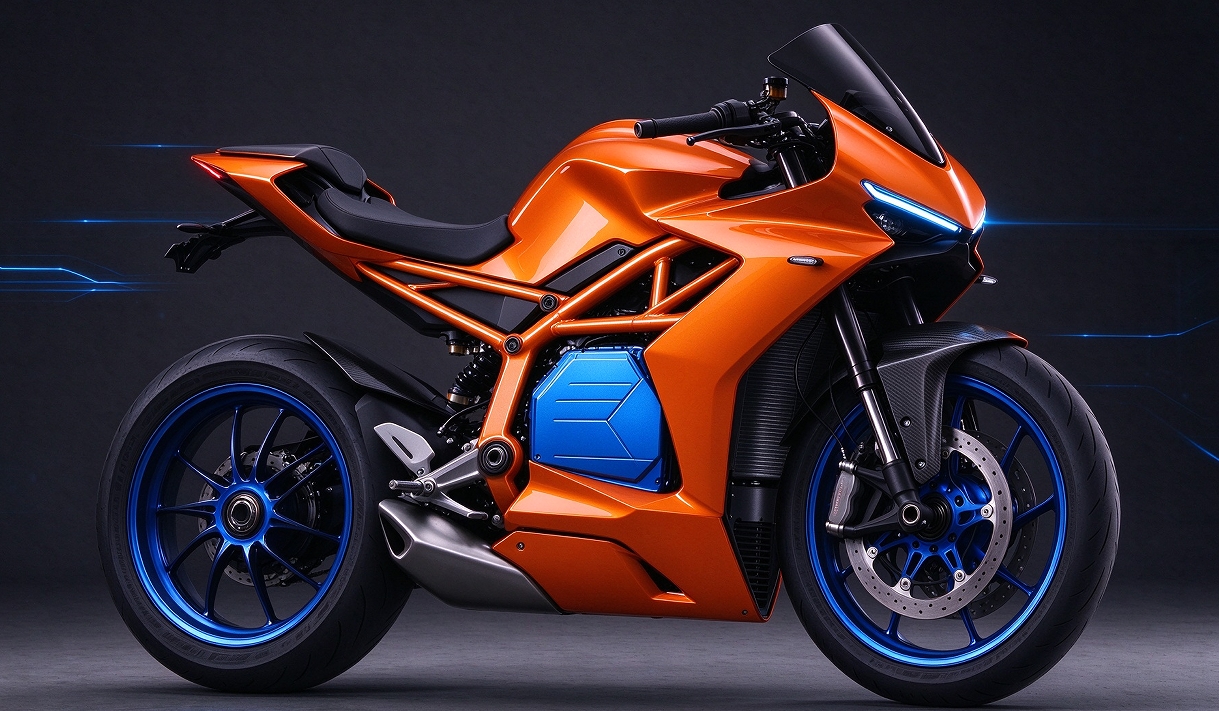
Common programmes
Also in series: off-road ATV and UTV · engineering and agricultural vehicles — and vehicles not listed here.
Yes — that is what dual-use means. The same housing serves both, so a rider can carry it first and bolt it on later without buying again. Confirm the mounting hardware with the order, because the bracket is not always supplied as standard.
The wider 30–85 V window on the 1.9 kW unit covers a larger spread of pack states, which is what makes the higher current useful across a full charge. The 1 kW unit works within 57–84 V. Neither is better — they are sized for different charging strategies.
IP67 covers dust and short-term immersion, which handles rain and puddles. It does not cover the cable being pulled, the unit being dropped, or condensation from temperature cycling. Those are mechanical and life-cycle questions — ask about cable retention and mounting rather than relying on the IP number alone.
Yes, the input window is 85–264 Vac. Expect reduced power at the lower end, and remember that a shared domestic circuit will limit output further regardless of what the charger can draw.
Work backwards from the rider's charging window and the socket they will use. If they charge overnight at home, the 1 kW unit is lighter and sufficient. If they have a two-hour break between shifts on a circuit that can support it, the 1.9 kW unit halves the time. If the unit will be carried daily, weight usually wins.
Tell us how the chargers will be used — carried by riders, bolted to fleet bikes, or both — plus the pack voltage and the socket the riders will plug into. We will say which power level actually pays off in that service model.